
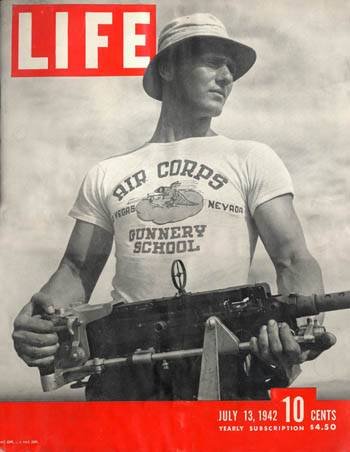
T-shirts are ubiquitous. People wear them on a daily basis, and they are often first choice among upper body garments. But where did the story of t-shirts begin?


Navy T-Shirts
The first t-shirts are believed to have been issued to members of the US Navy in the Spanish-American War in 1898. The navy needed men’s apparel that could easily slip under the outer uniform and provide troops with the ability to cool off in hot and humid conditions.
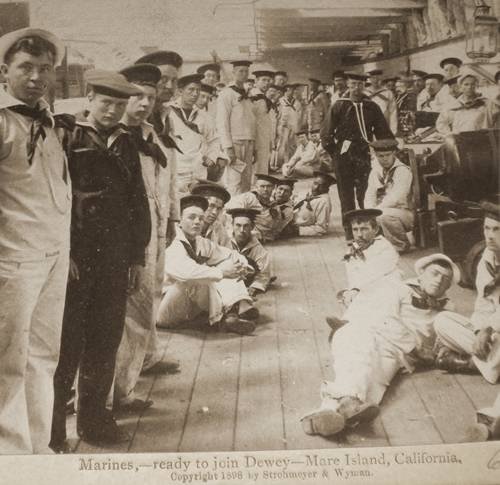
The first t-shirts were top-quality. They were made of a light fabric and cut with a “crew neck,” where the neck section is cut out in a large oval, providing sailors with a great fit and extra comfort while working dangerous and difficult navy shifts.
After 1898, T-shirts became popular among a range of other workers, including farmers, dock workers, and miners. Men preferred the lightweight and affordability of T-shirts compared to the heavier and less comfortable garments that they had to wear before.
Around this time, between the Spanish-American War and the 1920s, the word T-shirt began to gain universal currency. People called T-shirts such because of their resemblance to the letter “T.”
Before long the word found its way into the official Merriam-Webster dictionary, and we’ve been stuck with it ever since.
The First Printed T-Shirts
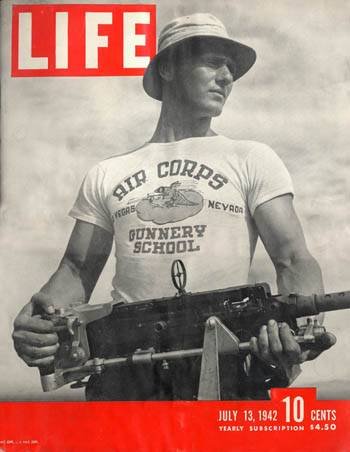
Printed T-shirts fist made an appearance, it is believed, in the 1930s film, the Wizard of Oz and subsequently in a host of army photos during the Second World War.
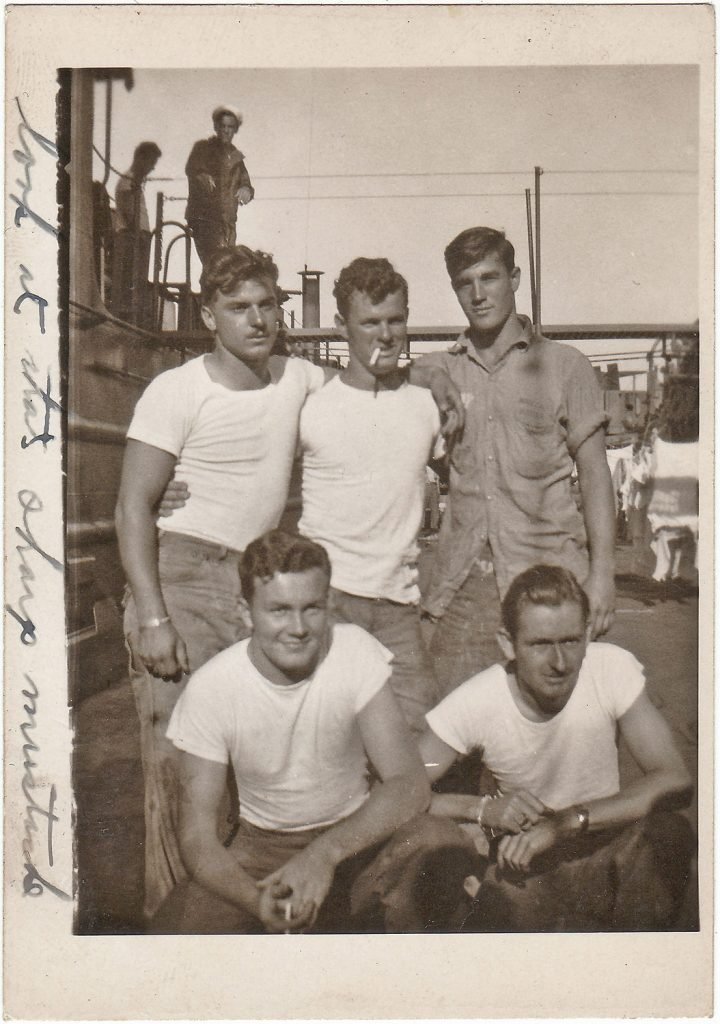


However, it was not until the Marlon Brando was seen sporting a white T-shirt in the 1951 film, A Streetcar Named Desire, that the popularity of T-shirts as outer garments took off.
The 1960s Onwards
T-shirts were a hybrid of art and fashion. People could easily customize their T-shirts to fit in with the current LA style. Throughout the 1960s, people experimented with T-shirts for commercial purposes, using them as miniature billboards to convey messages about a company to the general public.
As time went on, the use of T-shirts bifurcated into a group of subcategories. In the 1980s, it was skater fashion to wear T-shirts as an outer layer and a long-sleeved shirt as an inner layer. This trend continued well into the 2000s.

Hipster fashion also took advantage of the humble T-shirt. Hipsters wanted T-shirts that would enable them to stand out from the crowd, be different, and convey unique messages. T-shirts were an excellent way to avoid conformity.
Types Of T-Shirt
Over the course of the twentieth century, the number of types of T-shirts exploded. The original T-shirts of the Spanish-American War had been crew neck, but manufacturers introduced a range of new styles from ringers, tanks, babydoll, raglan, polo, and V-neck. T-shirts are now a significant part of hip-hop fashion.


Today, many people use T-shirts to convey interesting information about themselves or their values or to entertain the people around them. This tradition goes back to the Ancient Greeks who used embroidery to communicate messages. Men’s fashion is dominated by the T-shirt, making it an essential component of urban style.